
Botswana’s Summer Soundtrack: When the Cicadas Sing
A natural spectacle you don’t see so much as hear – and every November it fills the bush around Chobe House with sound.
Guests arriving with us in November often notice it right away: a fine, vibrating hum that seems to come from the trees themselves. It swells, fades away, and moments later starts all over again. This is the sound of the African summer – and its musicians are the cicadas.
Awakening after a long time in hiding
Cicadas spend most of their lives unseen, underground. But once November arrives, daytime temperatures climb well above 30 °C and the first rain showers drift across the Chobe region, their moment has come. They emerge from the ground in great numbers, climb the tree trunks and take up their places in the canopy.
For us, it is a little signal from nature every year: the rainy season is on its way, the bush is about to turn green, and a new season bursting with life is beginning.
The loudest musicians in the bush
Cicadas are among the loudest insects in the world. Their song comes only from the males, which use special drum-like organs on their abdomen to set tiny membranes vibrating at high speed. The result is a rhythmic chirping, buzzing and rushing – a love song to attract the females.
The concert reaches its peak in the midday heat. At that time the chorus can be so powerful that it rises above the calls of the birds. Many of our guests describe it as the film score of the wilderness: ever-present, full of energy and unmistakably African.
 Where to find the singers
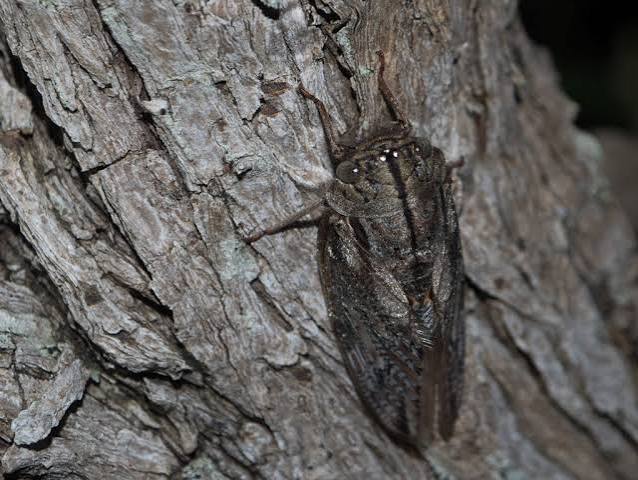
As loud as cicadas are, they are masters of camouflage. They particularly like to sit in acacias such as the sweet thorn (Vachellia karroo) and in dense mopane woodland, where their bark-coloured markings blend almost perfectly into the trunks. Our tip for your next game drive or walk: follow the sound, stop at a tree and scan the bark patiently. Spotting one of these singers is a real achievement – many visitors hear them every day but never actually see one.
A feast for the wildlife
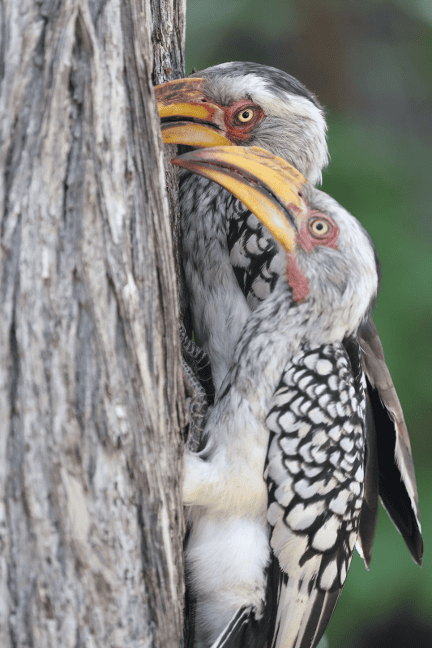
The emergence of the cicadas is not only an event for the ears but also a highlight for wildlife viewing. These large, nutritious insects are a welcome source of protein for many of the bush’s residents. Over these weeks you can watch a great many birds hunting – among them rollers, bee-eaters and hornbills – and smaller predators also make the most of the generous buffet.
That makes November an especially rewarding time for photographers and birders: there is plenty of action in the treetops, and with a little patience you can capture striking shots of birds on the hunt.
How to make the most of the cicada concert
- Live by the African rhythm: In the early morning and late afternoon the chorus is softer – just when game drives are at their best. The hot midday hours are the perfect excuse for a siesta in the shade or a cool dip in the pool anyway.
- Listen mindfully: Close your eyes for a moment and listen as the song travels from tree to tree, swells, and then suddenly falls silent. Many guests tell us that this very sound later becomes their favourite memory of Botswana.
- For sensitive ears: If you are particularly sensitive to sound, simply pack a pair of earplugs for midday – that way you can enjoy the concert at exactly the volume you like.
- Ask our guides: Our team will gladly tell you more about the fascinating life of the cicadas and show you where the well-camouflaged singers are hiding.
The sound of a new season
The cicadas are a piece of real, unfiltered Africa. Their song tells of heat and first rains, of nature reawakening, and of the start of a season when the bush is teeming with life. Staying with us at Chobe House in November means experiencing this spectacle up close – and taking home a soundtrack that will echo long after your trip.
We look forward to sharing this very special concert of nature with you!
Your Chobe House team
